


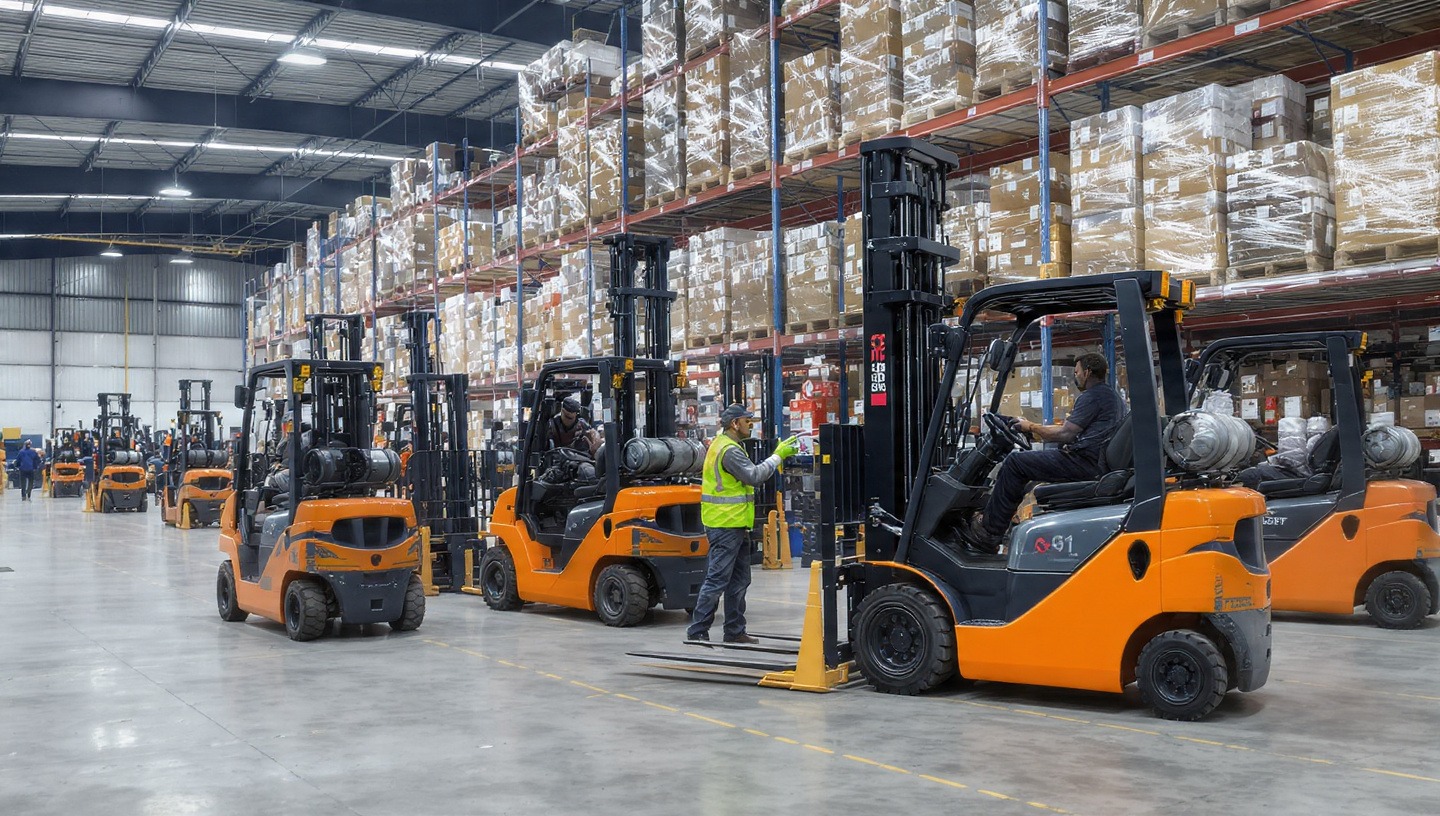
Proactive forklift maintenance prioritizes scheduled inspections and servicing to prevent failures, far surpassing reactive emergency repairs that only address breakdowns after they disrupt operations. This strategy keeps warehouses running smoothly by catching issues early, minimizing costly downtime in fast-paced environments where every hour counts. Businesses gain reliability, safety, and financial advantages that reactive approaches simply cannot match.
Maximizes Uptime and Operational Flow
Proactive maintenance schedules routine checks on critical components like brakes, hydraulics, and tires during off-peak hours, ensuring forklifts stay operational 95-98% of the time. Emergency repairs often sideline equipment for days, halting pallet movements and delaying shipments during peak demands. Planned servicing lets managers coordinate backups, avoiding the chaos of sudden failures that cascade into missed deadlines. Teams maintain steady productivity as predictable maintenance integrates seamlessly into shifts, unlike frantic scrambles that overload remaining units and breed operator fatigue. Reliable uptime translates directly to fulfilled orders and satisfied customers.
Delivers Substantial Cost Savings Long-Term
Addressing minor wear like fluid leaks or belt tensions early slashes total ownership costs by 15-25%, preventing expensive overhauls that reactive strategies trigger. Emergency fixes inflate bills with rush parts, overtime labor, and temporary rentals, often tripling simple repair expenses. Proactive care spreads predictable budgets across months, optimizing fuel efficiency and reducing energy waste from strained systems. Well-documented histories boost resale values, turning maintained forklifts into assets rather than liabilities. This financial discipline compounds into healthier bottom lines year after year.
Enhances Safety and Reduces Liability
Routine inspections verify steering, lights, horns, and load capacities, neutralizing hazards before operators encounter them in tight aisles. Sudden breakdowns force rushed maneuvers on faulty equipment, spiking accident risks like tip-overs or collisions. Proactive programs cut incidents dramatically, lowering OSHA fines, insurance premiums, and workers’ compensation claims. Confident drivers perform precisely on trusted machines, fostering a culture of safety that protects teams and complies with regulations effortlessly. Fewer mishaps mean uninterrupted focus on core tasks.
Extends Equipment Lifespan Significantly
Regular lubrication, alignments, and part replacements combat degradation, stretching forklift life well beyond standard warranties without surprise failures. Neglected units wear chains, batteries, and engines prematurely, demanding full replacements at peak costs. Preventive diagnostics spot trends like vibration increases, allowing targeted fixes that preserve core integrity. Fleets last years longer, delaying capital expenditures and maximizing returns on initial investments. Aging assets receive tailored scrutiny, ensuring longevity matches business growth.
Boosts Efficiency and Performance Metrics
Optimized forklifts handle heavier loads faster with smoother hydraulics, accelerating cycle times and warehouse throughput. Breakdowns ripple into bottlenecks—unmoved inventory clogs floors, delaying trucks—while proactive fleets sustain rhythms through data-driven tweaks. Maintenance logs reveal peak usage patterns, refining schedules for seasonal surges. Operators hit quotas effortlessly on responsive equipment, eliminating workarounds that slow daily operations and frustrate teams.
Secures Compliance and Warranty Coverage
OSHA requires daily pre-use checks and periodic servicing; proactive logs demonstrate adherence, shielding against audits and penalties that reactive operations face post-incident. Manufacturers invalidate warranties without proof of scheduled care, burdening owners with full costs. Comprehensive records protect coverage through key milestones like 1,000-hour services. Effortless compliance frees managers from paperwork, focusing energy on expansion rather than regulatory hurdles.
Eliminates Disruptions Through Predictability
Service slots align with slow periods, allowing planned backups unlike midnight breakdowns that halt entire shifts. Advanced diagnostics forecast issues via gauges and logs, pre-ordering parts without premium pricing. This stability supports scaling operations confidently, from added shifts to new facilities. Supply chains flow without interruptions, maintaining inventory accuracy and on-time deliveries that build client trust.
Improves Fuel and Energy Optimization
Clean filters, proper tire pressures, and tuned motors cut consumption by 10-20%, trimming operational expenses directly. Faulty systems guzzle power during repetitive lifts, inflating utility bills unnoticed. Routine flushes ensure hydraulic efficiency, powering thousands of cycles economically. Sustainable performance appeals to partners prioritizing green practices, enhancing market positioning.
Builds Operator Confidence and Retention
Dependable forklifts let drivers concentrate on precision lifts rather than nursing failing controls up ramps. Downtime breeds frustration and errors from makeshift fixes; proactive reliability hones skills safely. Satisfied teams stick around, stabilizing labor costs in competitive hiring markets. Training on consistent machines elevates proficiency, preventing costly damages from inexperienced handling.
Quantifies ROI with Actionable Data
Tracking metrics like mean time between failures proves value through fewer tickets and higher availability. Emergency patterns emerge too late, draining budgets; proactive analytics guide fleet decisions, like electric models for indoor paths. Facilities report 30% incident drops and 20% productivity gains, justifying investments to executives. Data-driven insights evolve programs, locking in competitive advantages over reactive competitors. Proactive forklift maintenance turns vulnerabilities into strengths, dominating emergency repairs across uptime, costs, safety, and growth. Warehouses embracing it operate cleaner, safer, and more profitably in demanding logistics landscapes.
