
Have you ever seen a logo or a brand design and thought, “Wow… that just feels right”? Like every color, font, and icon fits perfectly with the personality of the company? I remember seeing a small boutique brand online last year, and I was completely hooked—not because the product was new, but because the design screamed identity. It was sharp, playful, and somehow… alive.
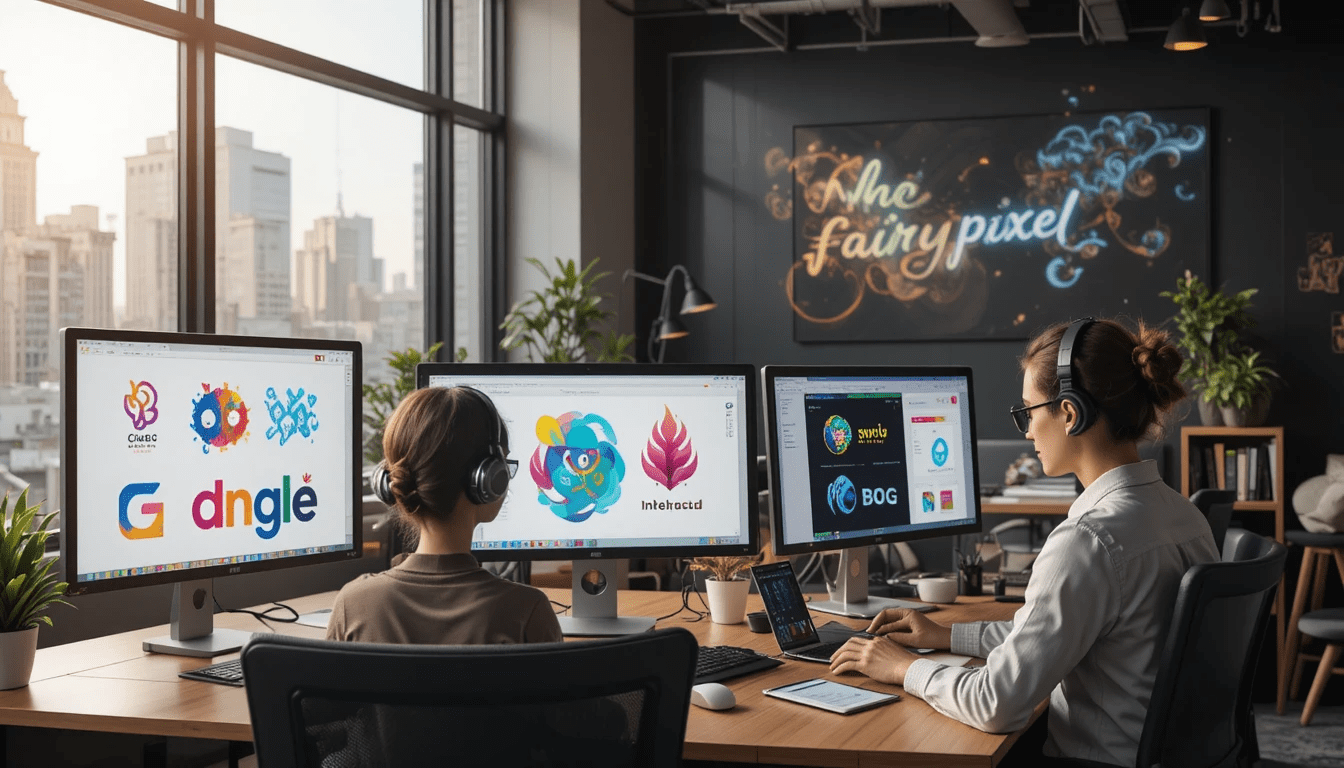
That’s the kind of magic that The Fairy Pixel graphic designers bring to life. And while talent and vision are huge parts of it, a lot of the real work happens through the design software they use. These aren’t just fancy programs—they’re tools that let creativity breathe, experiments happen, and ideas turn into polished visual identities.
Why the Right Software Matters
I’ll be honest, I’ve tried designing logos and mockups with just one tool before. It was frustrating. Some features didn’t exist, others were clunky, and my ideas never looked like I imagined. That’s the problem. The software you choose can either expand your creativity or trap it.
For The Fairy Pixel designers, the software stack is like a painter’s brush set. Each tool has a purpose, each feature serves the story, and together they make the design feel intentional. It’s not about having the latest program, it’s about having tools that match their workflow and vision.
Core Tools That Shape Unique Visual Identities
Vector Tools: Precision and Flexibility
When it comes to logos, icons, or any graphics that need to scale, vector software is non-negotiable. I’ve seen The Fairy Pixel team work with tiny curves and lines, adjusting each detail until it feels perfect. The beauty of vector graphics is you can blow up a design to billboard size or shrink it for a business card without losing any quality.
It’s this level of precision that makes their designs feel professional and consistent across every touchpoint.
Raster Tools: Personality and Depth
Vectors are great, but they can feel… flat sometimes. That’s where raster graphics come in. For illustrations, textures, or digital painting, raster software lets designers play. Shadows, gradients, hand-drawn effects—it all comes together to give brands character. Watching their workflow, you can see how they layer elements, experiment with color, and push visuals beyond standard templates.
Typography and Layout Tools: Words That Speak
People underestimate typography. I’ve messed this up plenty of times myself—fonts that look fine alone but clash when combined. The Fairy Pixel designers spend a lot of time here. The software lets them pair fonts, tweak spacing, and test layouts until the message reads exactly right. Even small adjustments can change the feeling of an entire brand.
Prototyping and Collaboration: Testing Ideas in Real Life
The final step isn’t just making something look good—it’s seeing it in context. The Fairy Pixel team uses prototyping tools to mock up websites, social media posts, and packaging. They test designs in the real world, not just on a blank screen. And since collaboration is key, these tools let them share progress, get feedback, and make changes without chaos. It’s like watching a band rehearse before the live show—they get everything tight before it goes public.
How Software Shapes the Creative Process
What really struck me when I spent time with The Fairy Pixel designers is that software isn’t just a tool—it’s part of their thinking. They start by understanding the brand: who they are, what they want, and how their audience feels. Then comes sketching, which is messy and fun. Rough ideas evolve into digital versions, refined using their software. And yes, sometimes they scrap entire concepts mid-way, but the software makes it easy to pivot without losing momentum.
It’s this iterative process—research, sketch, refine, test—that turns good ideas into memorable visual identities.
Why Choosing the Right Tools Changes Everything
I can’t stress this enough: the right tools save time, reduce frustration, and free up mental energy for creativity. I’ve spent hours fighting software, only to see my ideas fall short. Watching The Fairy Pixel team is different. Everything flows. They aren’t hindered by features or limitations—they’re guided by them. And that’s why their work feels intentional, polished, and unique.
The Human Side of Design
Here’s something that might surprise you: design isn’t just technical. It’s emotional. It’s frustrating when something doesn’t work. Exciting when a concept clicks. Nerve-wracking when presenting to a client. The software helps, yes, but it’s the human choices—how they interpret a brand, decide on colors, or tweak a curve—that makes the difference.
That balance between skill, intuition, and tools is what turns ordinary design into something unforgettable.
FAQs
What software do The Fairy Pixel designers use?
They mix vector and raster tools, typography apps, and prototyping software. The exact stack changes depending on the project, but the goal is always flexibility and precision.
Can beginners use the same tools?
Yes, but it takes patience. The software helps, but understanding the creative process first is more important than just knowing buttons.
Does software make or break a brand?
Not entirely. Great tools enhance creativity and workflow, but human vision, research, and experimentation are what make a brand memorable.
How do they maintain consistency across designs?
They rely on color palettes, typographic systems, and design guidelines. Software helps apply these rules without errors.
Can these tools be expensive?
Some are, yes. But there are often free or affordable alternatives that work surprisingly well. What matters is learning to use them effectively.
Final Thoughts
Watching a brand come to life is like watching a story unfold. The software is just the pen, the brush, or the palette. But it’s how The Fairy Pixel graphic designers use it—thoughtfully, creatively, and intentionally—that makes their designs resonate.
Next time you see a brand that feels… alive, remember: there’s skill, vision, and a very deliberate set of tools behind every pixel.
