


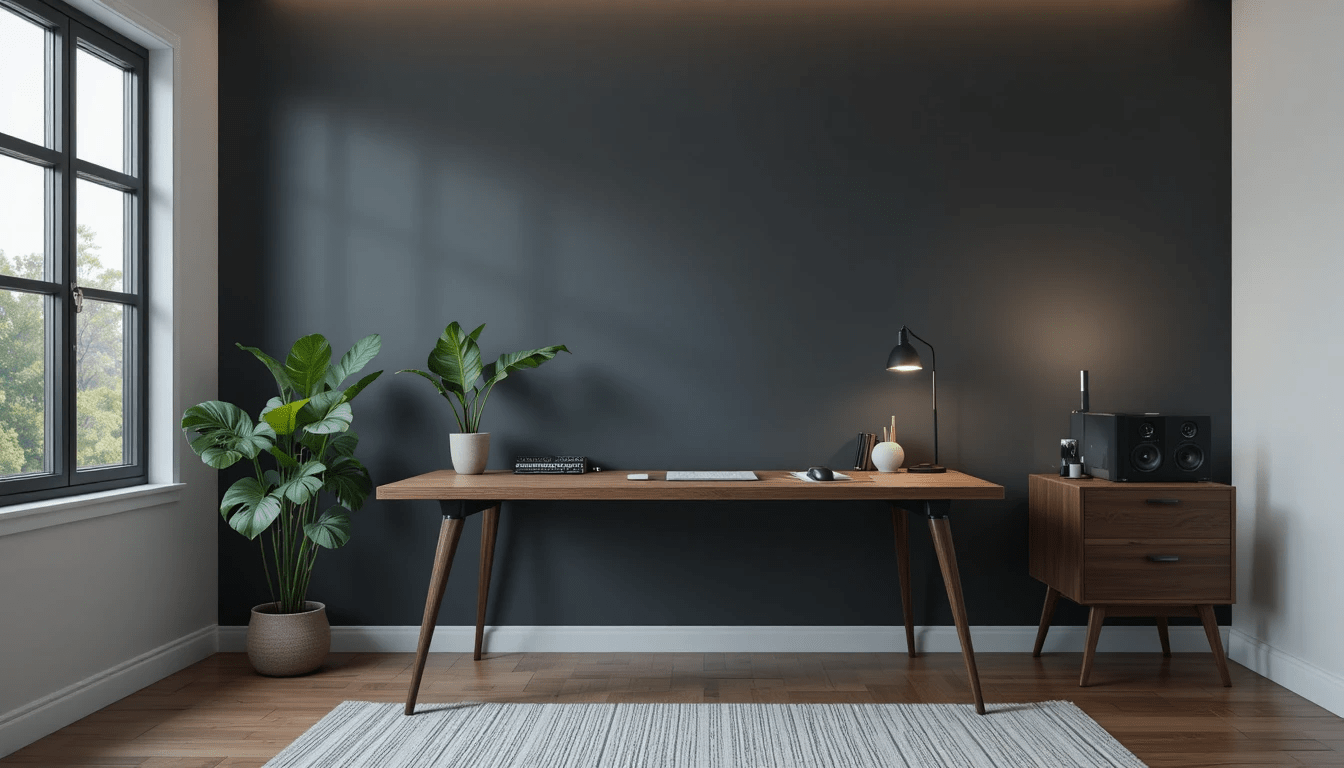
You know that feeling when you’re looking for a color that isn’t quite black, but definitely isn’t light gray? You want something deep. Something that feels expensive, grounded, maybe a little mysterious. You scroll through the color picker, sliding the cursor around the dark bottom corner, and then—bam. You land on it.
#36393e Hex.
It’s not a color you hear about in everyday conversation. Nobody walks into a paint store and screams, “Give me the 36393e!” (Well, unless they are a web developer). But if you have spent any time on the internet, or in a modern coffee shop, or looking at high-end tech apps, you have seen this color. You’ve felt its vibe.
Let’s talk about this specific hex code, why it works so well, and how you can actually use it without making a room (or a website) feel like a cave.
What Exactly Is 36393e?
Okay, let’s geek out for a second, but I promise to keep it simple.
In the world of digital design, 36393e hex is a dark shade of cyan-blue. I know, looking at it, you probably just see “dark grey.” And you’re right. But it’s not a neutral grey. It has a soul.
If you break it down:
- Red: 21.2%
- Green: 22.4%
- Blue: 24.3%
See that? The blue is slightly higher than the red and green. That is the secret sauce. Pure black (#000000) is harsh. It creates eye strain. It absorbs all the light in a room. But #36393e has just enough blue undertone to feel cool, modern, and soft on the eyes. It’s what designers call “off-black” or “charcoal with a cool drift.”
Why Designers Are Obsessed With It
I remember working on a website project a few years back. The client kept saying, “Make it dark mode, but not… depressing.”
I tried pure black. Too stark. I tried a standard dark grey. Too boring, looked like concrete. Then I plugged in 36393e. Suddenly, the white text popped, but it didn’t hurt to read. The images looked richer. It felt premium.
This color is a workhorse because it sits in the background without disappearing. It’s the bass player of the color band. It holds the rhythm, but it lets the lead singer (your bright accent colors) shine.
If you want to play around with how this color interacts with others, tools like Coolors are fantastic for visualizing palettes before you commit.
Using 36393e in Interior Design
Let’s step away from the screen for a minute. Can you paint a wall this color?
Absolutely. In fact, you should.
Dark walls are having a massive moment right now. A few years ago, everyone wanted “agreeable gray” or blinding white. Now, people want mood. They want “Dark Academia.”
Imagine a bedroom. You paint the wall behind the bed in a shade close to 36393e (think Benjamin Moore’s “Kendall Charcoal” or Sherwin Williams’ “Iron Ore,” which are close cousins). You put a leather headboard against it. Maybe some brass lamps. The dark wall makes the metal shine. It makes the wood look warmer.
It wraps the room. It feels cozy, not claustrophobic.
Quick tip: If you use this color on a wall, make sure your lighting is warm (2700K or 3000K). If you use cool white bulbs, the blue undertones in the hex will pop too much, and it might look sterile. Keep the light warm to keep it cozy.
The Perfect Color Pairings
So, what goes with a dark, cool charcoal?
Since 36393e hex is cool-toned, you have two options: lean into the cool, or create contrast with warmth.
1. The “Tech Minimalist” Look
Pair it with a crisp white (#FFFFFF) and a vibrant electric blue or neon lime. This is the look you see on software dashboards and crypto apps. It says “future.”
2. The “Earthy Modern” Look
This is my personal favorite. Take your dark 36393e and pair it with:
- Burnt Orange or Terracotta
- Mustard Yellow
- Cream/Beige (instead of white)
The warmth of the orange vibrates against the cool darkness of the charcoal. It’s sophisticated. It looks like a high-end menswear catalog.
Where You’ve Seen It (Without Realizing)
You know Discord? Or Slack’s dark mode? Or maybe your code editor (like VS Code)?
They rarely use pure black backgrounds. They use variations of this dark blue-grey. Specifically, a lot of “Dark Mode” UI design guidelines suggest avoiding 100% black because it causes “smearing” on OLED screens when you scroll.
Using a color like 36393e (or its neighbors) prevents that ghosting effect. It’s functional beauty. It’s protecting your eyes and your phone battery at the same time.
For those interested in the accessibility side of things, checking your contrast ratios on sites like WebAIM is crucial when using dark backgrounds to ensure your text is actually readable.
FAQs
Is 36393e a warm or cool color?
It is technically cool. Because the blue value (24.3%) is higher than the red (21.2%), it has a chilly, slate-like undertone.
What is the RGB for this hex code?
The RGB value is 54, 57, 62. This is useful if you are trying to match the color in software that doesn’t use Hex codes.
Can I use this for text?
Yes! In fact, on a very light grey background, using #36393e for text is often better than using pure black. It looks softer and more professional.
What is the closest Pantone match?
Finding an exact match is tricky, but Pantone 432 C is usually in the same ballpark. It captures that deep, steely grey vibe.
The Bottom Line
It’s easy to overlook the dark colors. We spend so much time obsessing over the perfect shade of pink or the right “branding blue.” But the background matters. The canvas matters.
36393e hex is the kind of color that elevates everything around it. It’s strong enough to stand alone but quiet enough to let others speak. Whether you are coding a new app, repainting your study, or just trying to find a font color that isn’t harsh black, give this charcoal a shot. It might just be the depth you were looking for.
