


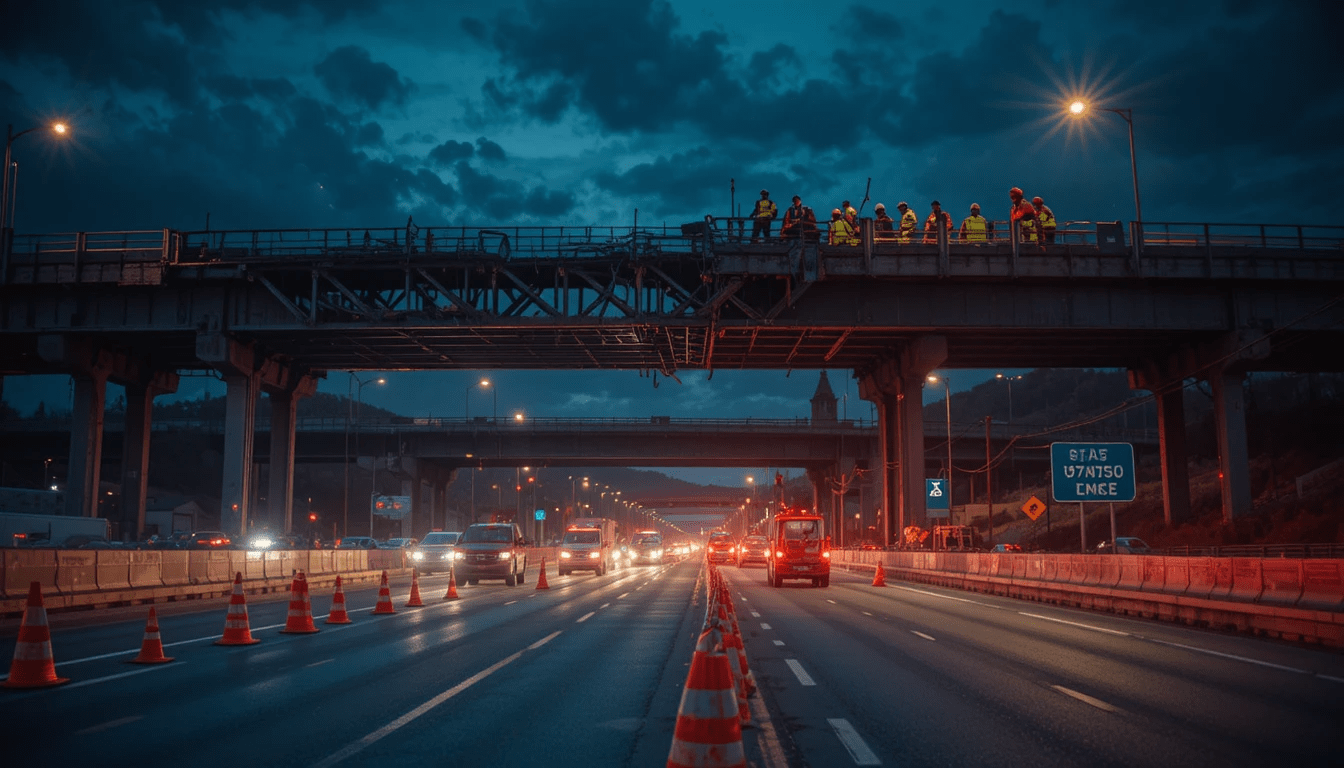
Interstate 75 is one of the nation’s most vital north-south arteries, stretching from the Canadian border in Michigan down to the tip of Florida. Because it carries such a high volume of heavy freight and daily commuter traffic, the bridges along this route are under constant stress.
When infrastructure fails—whether due to a sudden accident, weather damage, or critical structural findings—emergency repairs become a priority. For drivers, this means one thing: immediate and often severe disruption.
If you are planning travel along I-75, understanding how these emergency projects unfold can save you hours of frustration. Here is what drivers need to know about navigating current and future bridge repairs.
Why Emergency Repairs Happen on I-75
Unlike scheduled maintenance, which is announced months in advance, emergency repairs are reactive. Transportation departments (like MDOT, ODOT, or FDOT) typically shut down lanes for three specific reasons:
- Impact Damage: Bridge strikes are common. High-clearance vehicles often strike overpasses, or collisions on the bridge itself (like the Brent Spence Bridge fire) compromise the steel or concrete, requiring an immediate shutdown for safety assessments.
- Deck Failure: The freeze-thaw cycles in northern states like Michigan and Ohio can cause “blowouts” in the concrete deck, creating massive holes that can damage vehicles. These require rapid patching crews to intervene.
- Expansion Joint Failure: Metal joints allow bridges to expand and contract with heat. When these snap or buckle, they can slice tires, forcing an immediate lane closure to weld or replace the steel.
Current High-Impact Areas to Watch
Note: Traffic situations are fluid. Always check local 511 services before departure.
The Midwest Corridor (Michigan & Ohio)
This region is currently the most prone to “pothole emergency” closures. During seasonal transitions, crews frequently execute rolling lane closures to patch bridge decks that have crumbled overnight.
- What to expect: Sudden deceleration, left-lane closures, and merging traffic.
- Detour Strategy: If you see brake lights in a construction zone, utilize parallel routes like US-23 or I-275 where available to bypass the bottleneck.
The Southern Approach (Tennessee & Georgia)
In mountainous regions near the Tennessee border and through Atlanta, bridge repairs often involve stabilization.
- What to expect: Narrowed lanes and shifted traffic patterns. Emergency work here often takes place overnight (9:00 PM to 5:00 AM) to minimize impact, but delays can bleed into the morning rush hour.
How to Navigate Closures Safely
When an emergency repair zone is established, the accident rate actually increases due to sudden braking. Follow these protocols to keep yourself and the workers safe:
1. The Zipper Merge is Your Friend
Drivers often merge early, leaving one lane empty for a mile. This is inefficient. Traffic engineers recommend the “Zipper Merge” during heavy congestion. Stay in your lane until the merge point, then take turns merging one-for-one. It reduces the overall backup length by up to 40%.
2. Watch for “Split” Traffic Patterns
During bridge deck replacements, crews may split traffic, shifting one lane onto the shoulder or the opposite side of the highway. Do not attempt to change lanes once you are in a split pattern. The barriers are concrete, and there is no room for error.
3. Use Technology, But Verify
GPS apps like Waze or Google Maps are excellent for spotting red zones, but they don’t always know why the road is closed.
- Pro Tip: Tune into local AM news radio or check the state’s Department of Transportation Twitter/X feed. They provide the context a GPS cannot, such as whether a closure is a 30-minute cleanup or a 3-day structural repair.
Preparing for the Long Haul
If you regularly commute on I-75, prepare an emergency kit. Bridge closures can leave motorists stranded between exits for hours. Ensure you have:
- Water and non-perishable snacks.
- A portable phone charger.
- A physical map (in case cell service is overloaded in a traffic jam).
Conclusion
Infrastructure requires upkeep, and on a highway as old and heavily traveled as I-75, emergency repairs are an inevitability. By understanding the nature of these closures and driving defensively, you can navigate the chaos safely.
Stay Alert: Road conditions change rapidly. For the absolute latest on I-75 conditions, visit the Federal Highway Administration’s National Traffic and Road Closure Information page or dial 511 in your current state.
